Guide · Quartz Countertops
Quartz countertops, explained
Quartz countertops are engineered stone: crushed natural quartz bound with resin and pigments, pressed into large slabs. They are non-porous, need no sealing and look consistent from slab to slab. Like other conventional engineered quartz, they contain crystalline silica, so the dust from cutting must be controlled in the fabrication shop. Installed countertops release no dust unless cut or removed.
Published by Urban Stone Source · Last reviewed November 2026
What engineered quartz is
Engineered quartz is made by mixing crushed quartz with resin and pigments, then pressing and curing the mix into slabs. The quartz gives the surface its hardness; the resin makes it non-porous. According to the CDC, engineered stone can contain more than 90% crystalline silica, which is why fabrication shops must control the dust from cutting and polishing it.
Once a countertop is fabricated and installed, normal kitchen use does not create silica dust. Cutting, drilling or removing it during a remodel does, so that work should be done with dust controls.
Slab sizes, thickness and finishes
Many quartz slabs are around 126 × 63 inches. Super jumbo slabs, such as Quartz Trend at 139 × 79 inches, cover about 38% more surface per slab, which means fewer seams on long runs and large islands.
Countertops are usually 2 cm or 3 cm thick. 3 cm slabs are common for kitchens and can often be installed without a built-up edge; 2 cm slabs are lighter and common for baths, walls and mitered edges. Polished finishes reflect light and show the pattern; honed and matte finishes are softer and show fewer reflections.
Quartz vs granite, marble and quartzite
| Engineered quartz | Granite | Marble | Quartzite | |
|---|---|---|---|---|
| What it is | Crushed quartz and resin | Natural igneous stone | Natural metamorphic stone | Natural metamorphosed sandstone, mostly quartz |
| Sealing | Not needed | Periodic sealing | Periodic sealing | Periodic sealing |
| Stains | Non-porous | Can absorb if unsealed | Can stain if unsealed; etches with acids | Can absorb if unsealed |
| Look | Consistent slab to slab | Unique per slab | Unique per slab | Unique per slab |
| Heat | Use trivets; resin can scorch | Heat tolerant | Heat tolerant | Heat tolerant |
Caring for quartz
- Wipe with warm water and a mild dish soap.
- Use trivets for hot pans and cutting boards for knives.
- Avoid harsh chemicals such as oven cleaner, bleach and paint stripper.
- No sealing is needed.
What drives the cost
The price of a quartz countertop depends on the brand and pattern, the slab size and thickness, how many slabs the layout needs, and the fabrication: edges, cutouts, seams and installation. Bold veining and super jumbo slabs can reduce seams but change the slab count. Fabricators can call (336) 407-9167 for current slab pricing.
Quartz Trend: super jumbo quartz in GA, AL and TN
Quartz Trend is conventional engineered quartz in a super jumbo 139 × 79 inch format, 3 cm, distributed by Urban Stone Source in Georgia, Alabama and Tennessee. Like other conventional engineered quartz, Quartz Trend contains crystalline silica, so choose a fabricator who follows OSHA's silica standard.
15 Quartz Trend colors
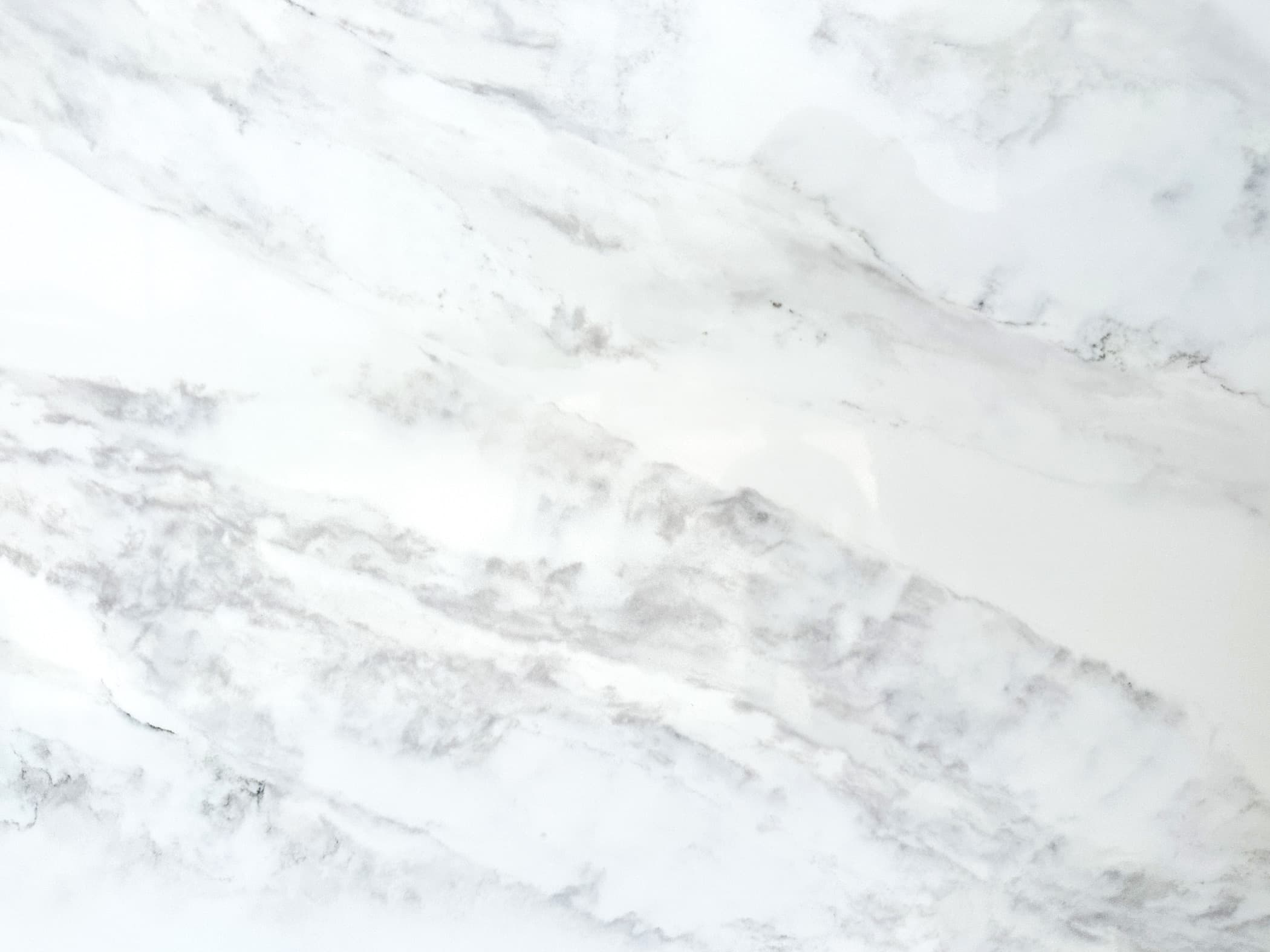
Calacatta Alaska
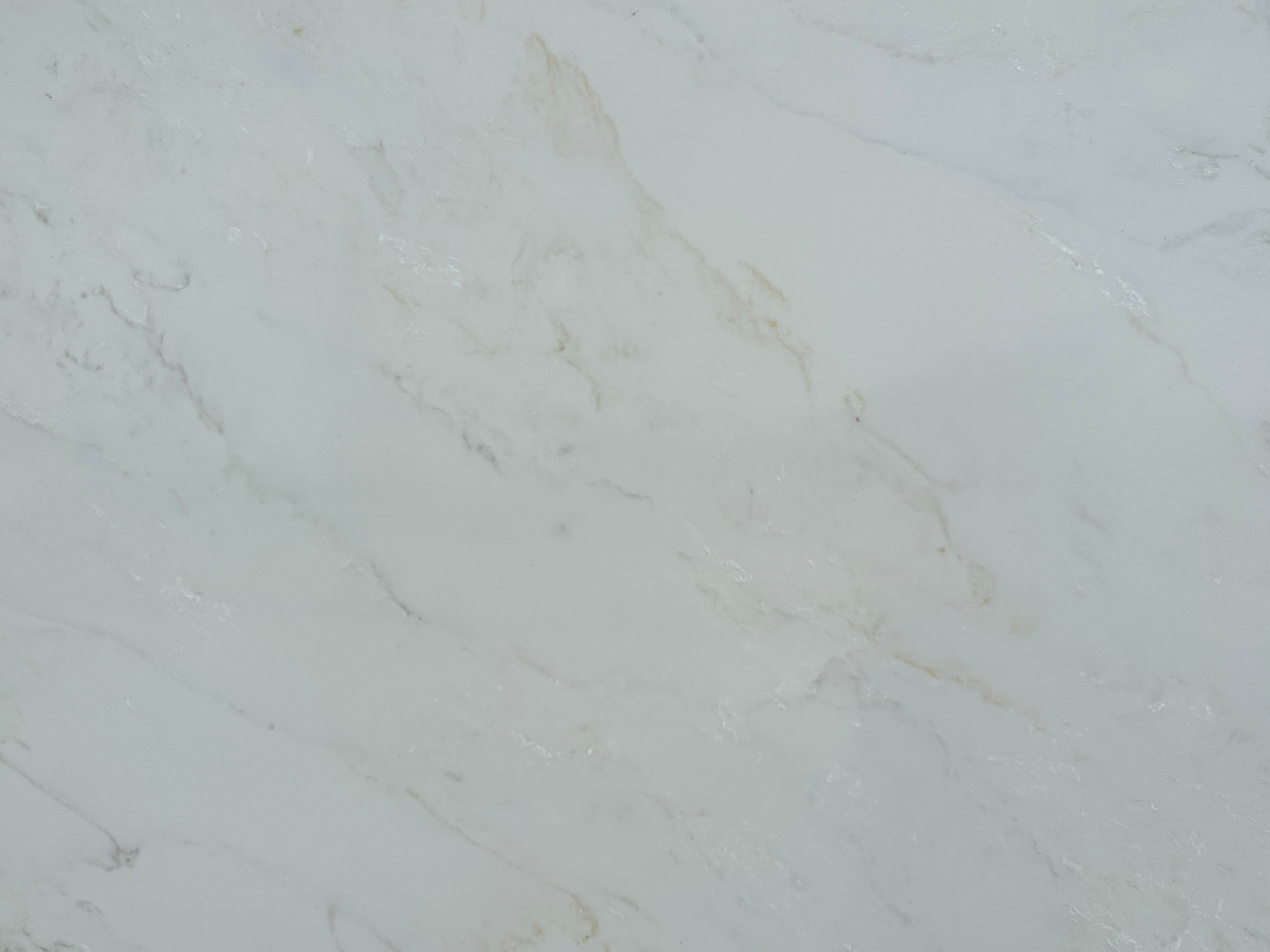
Calacatta Florence
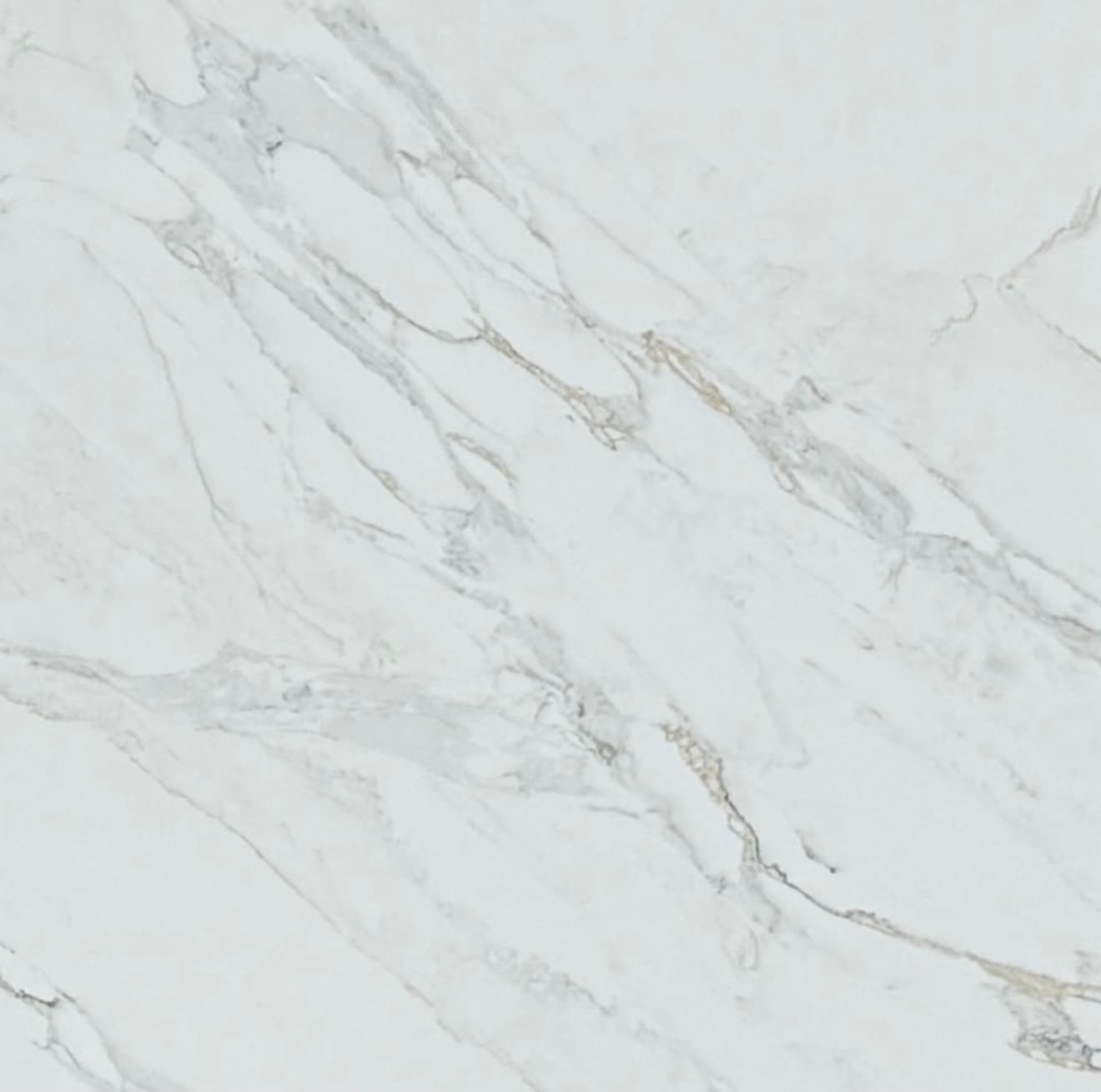
Calacatta Storm Gold
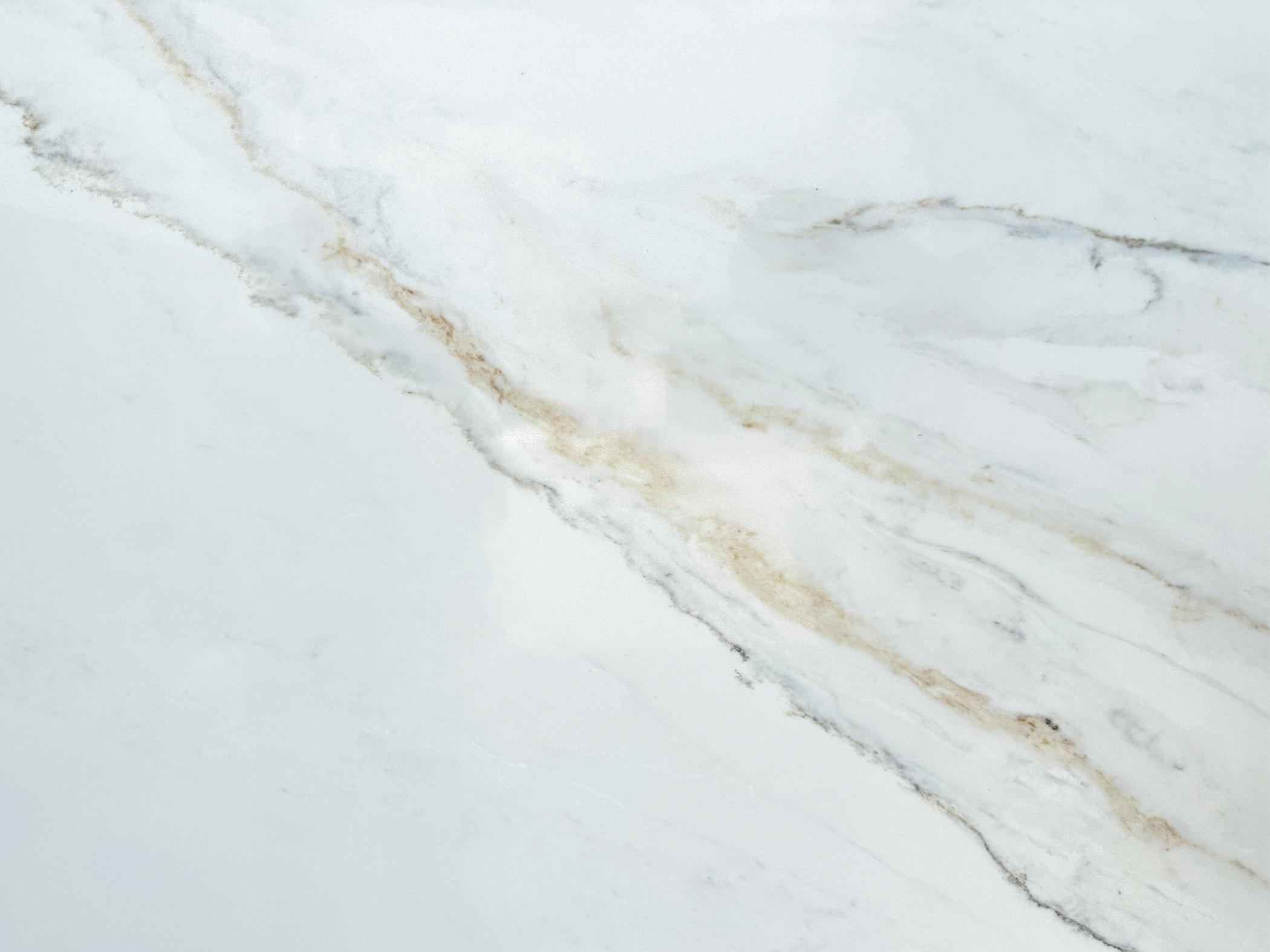
Calacatta Storm Gold Classic
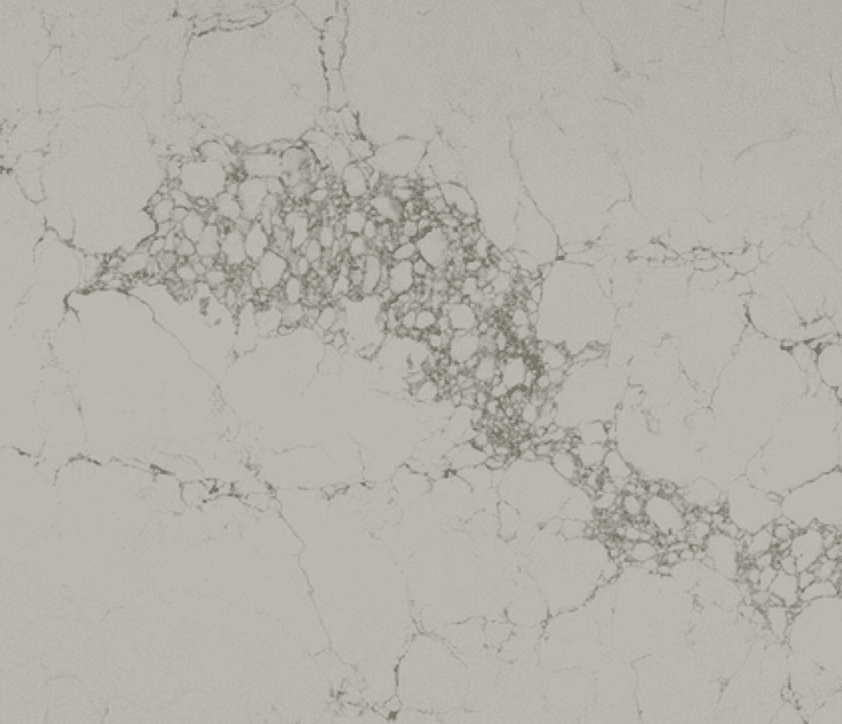
Statuario Gold
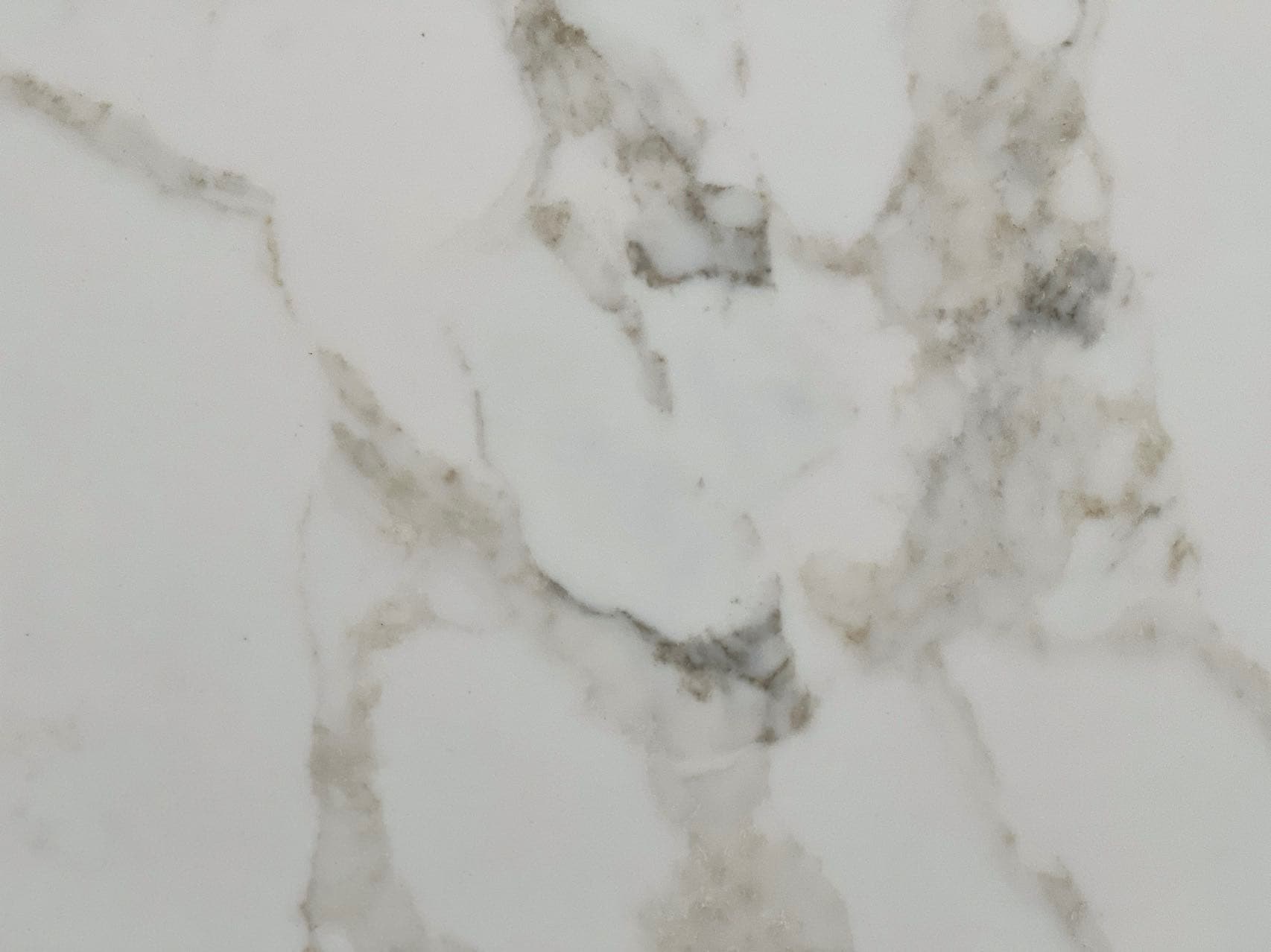
Calacatta Michelangelo
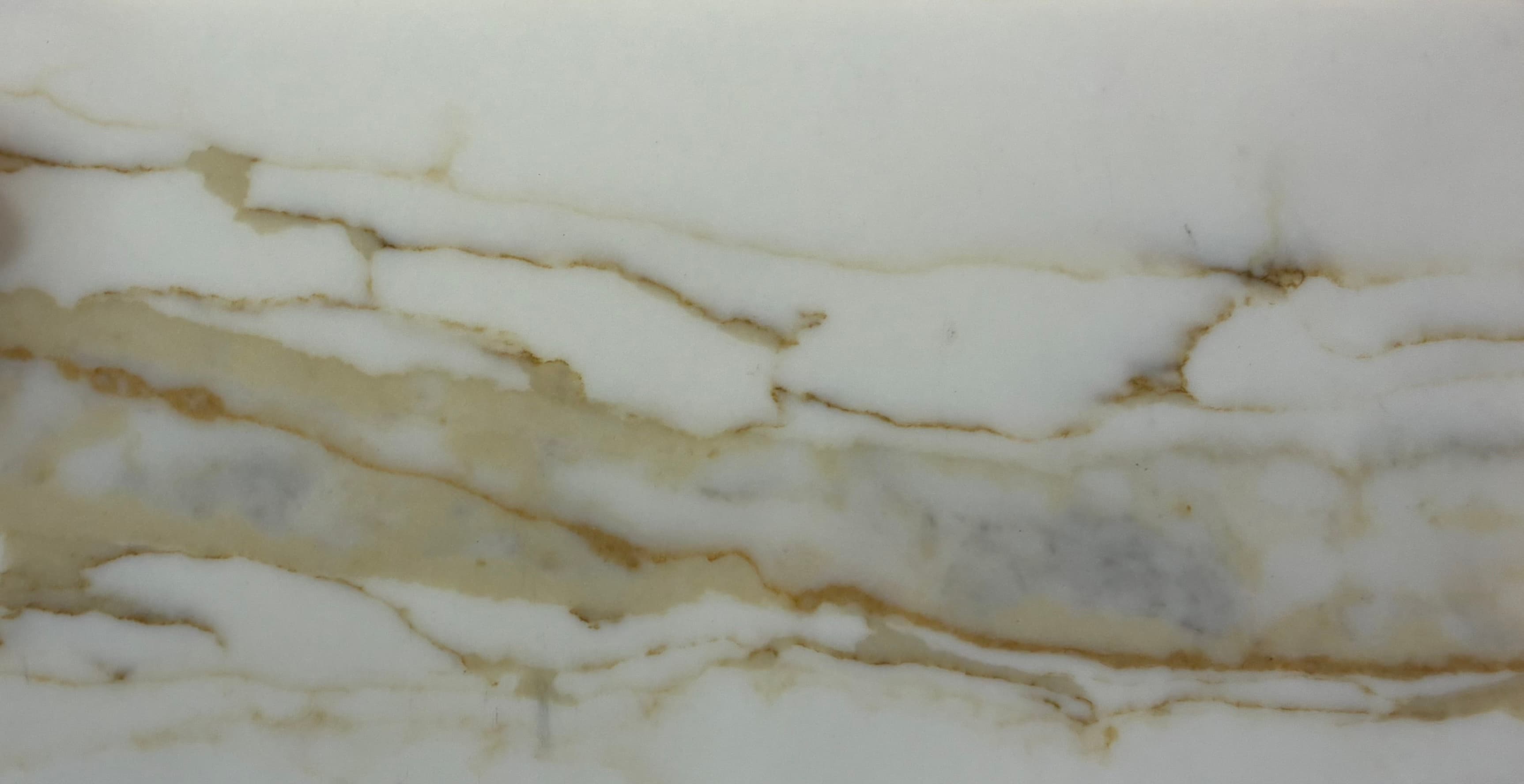
Urban Calacatta
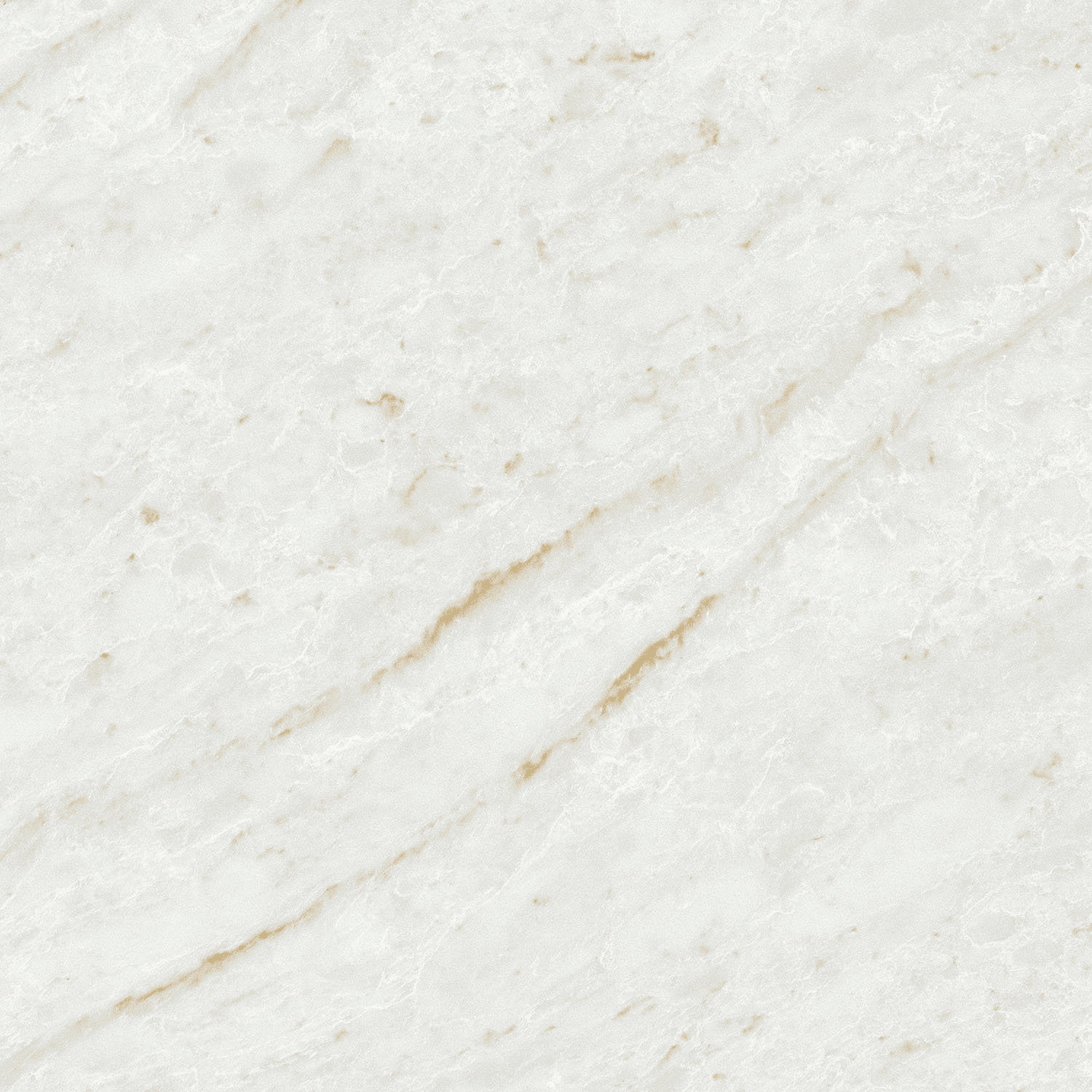
Taj
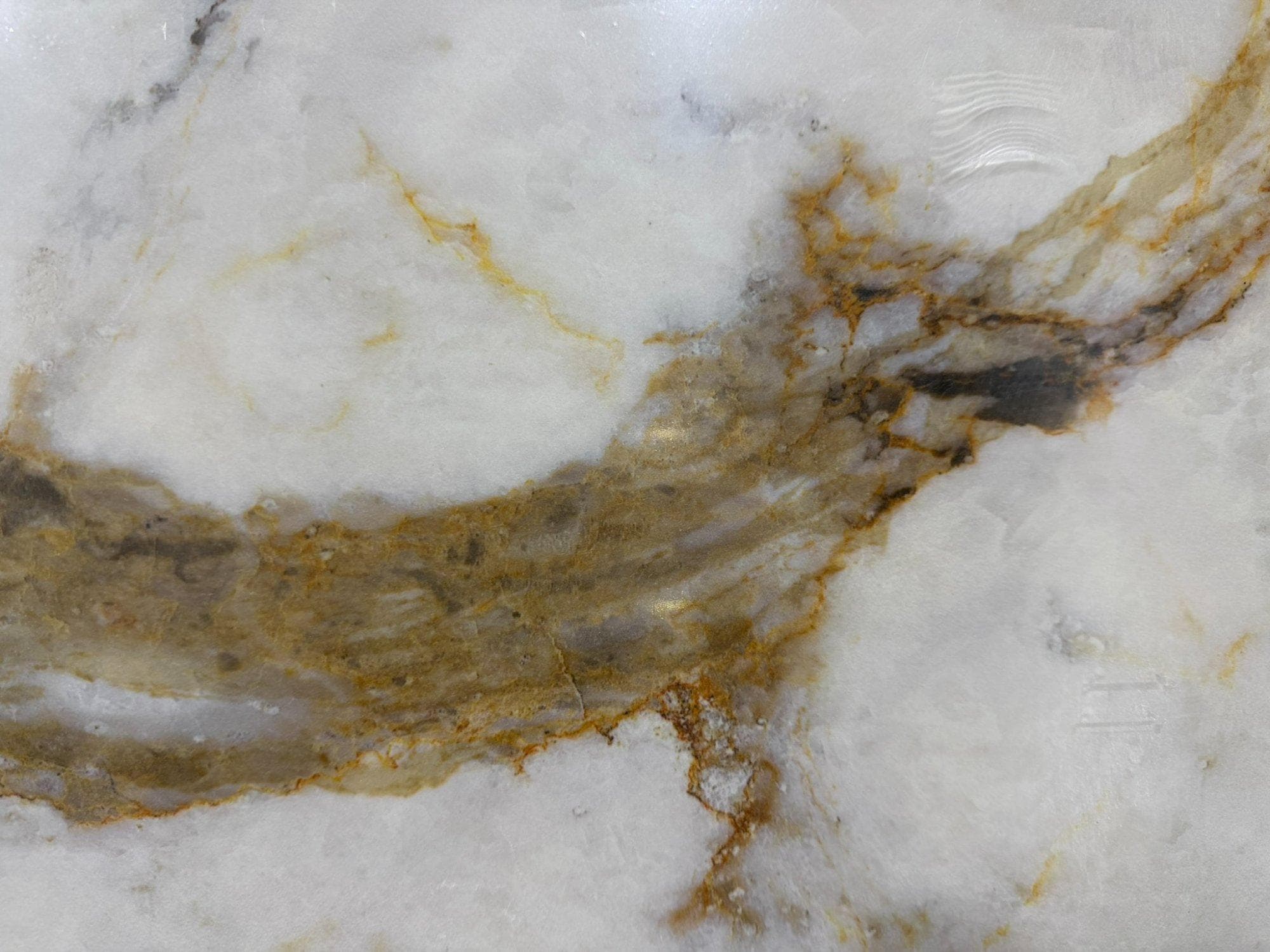
Cristallo Gold
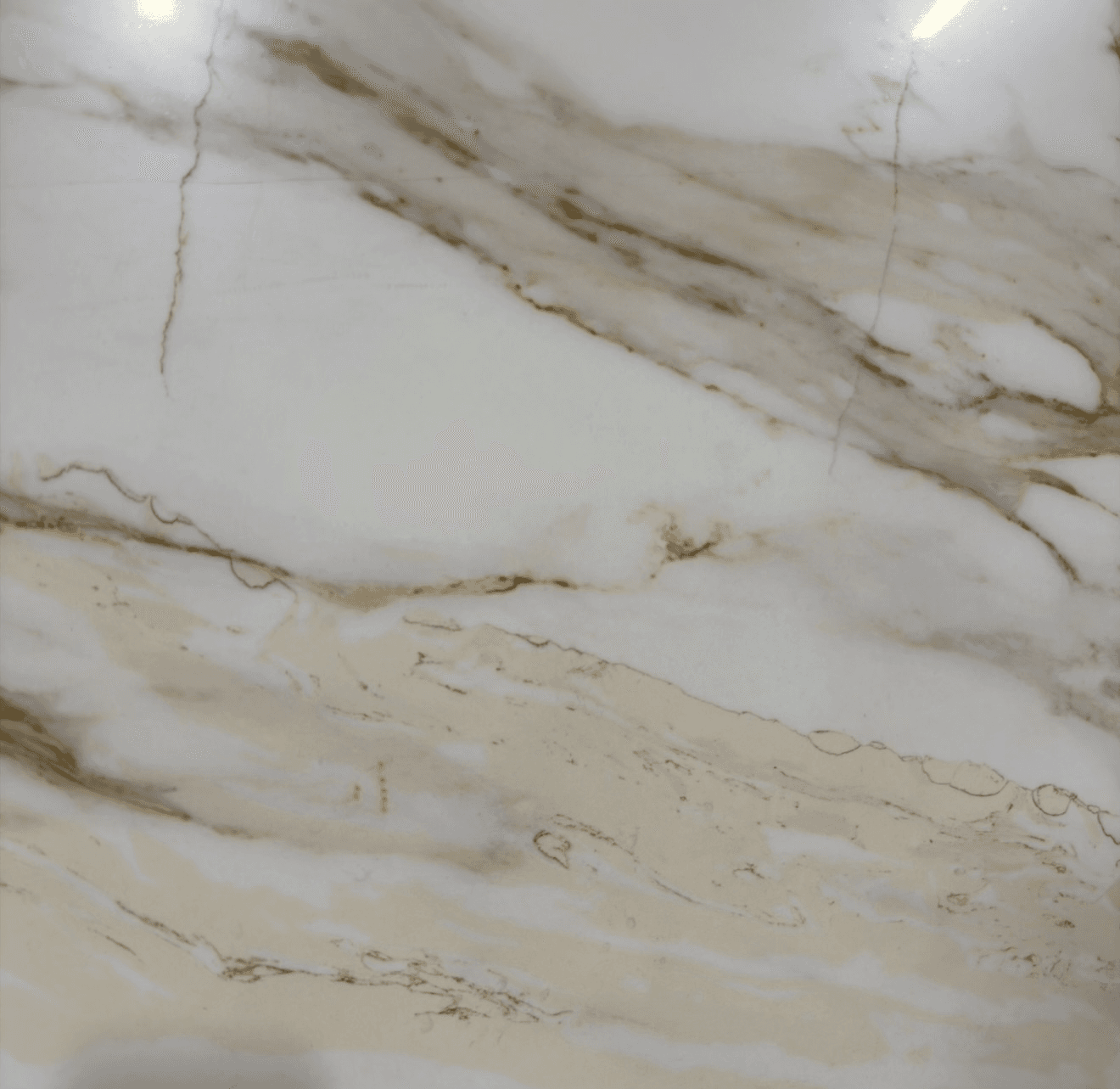
Venato Gold
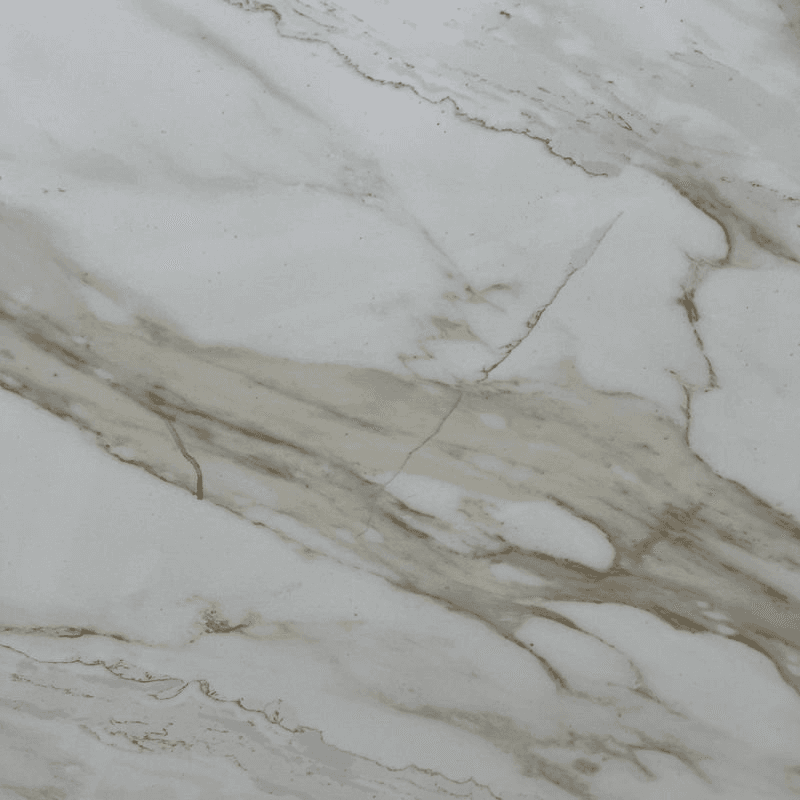
Venato Nuovo
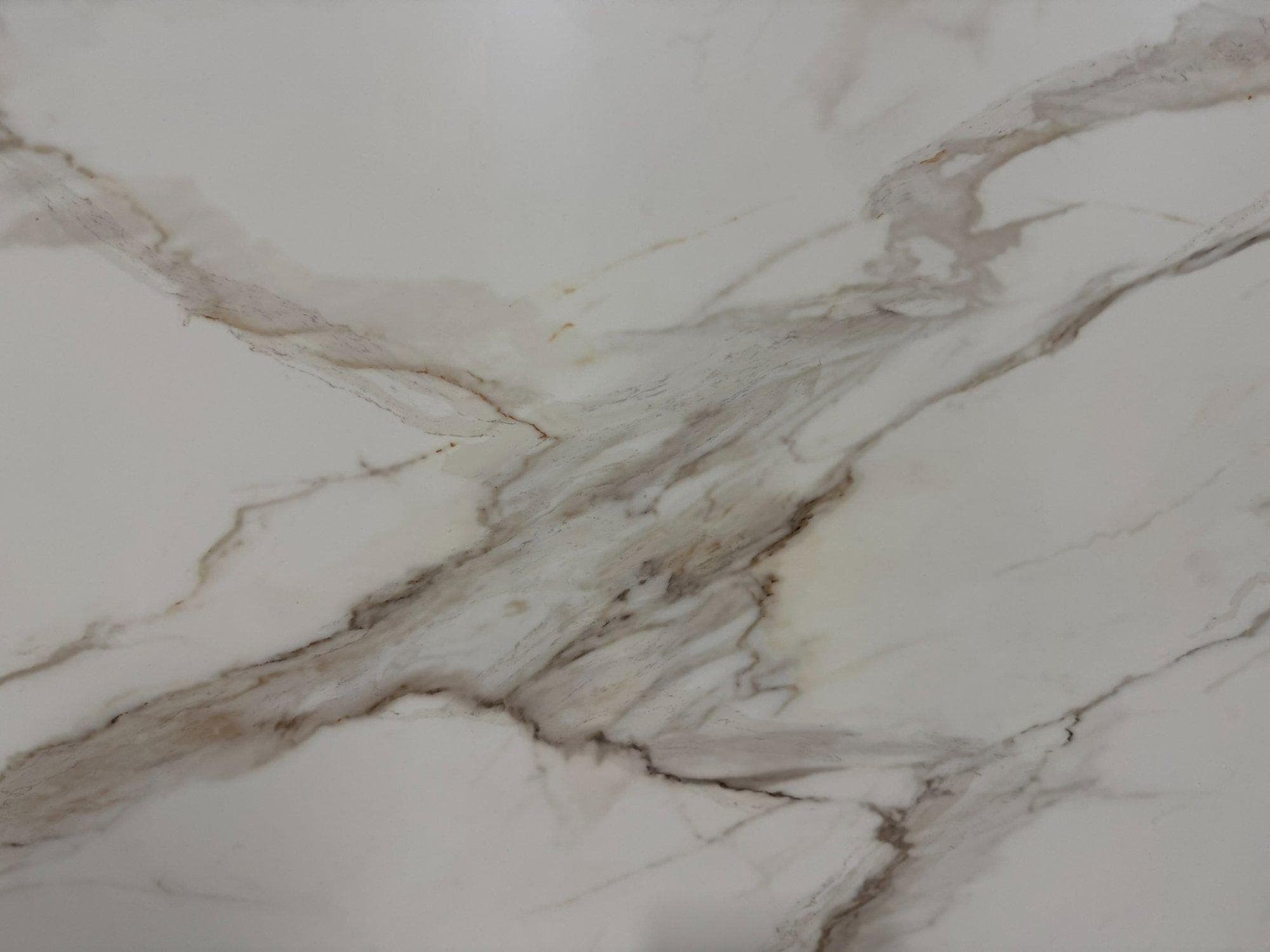
Venato Classico
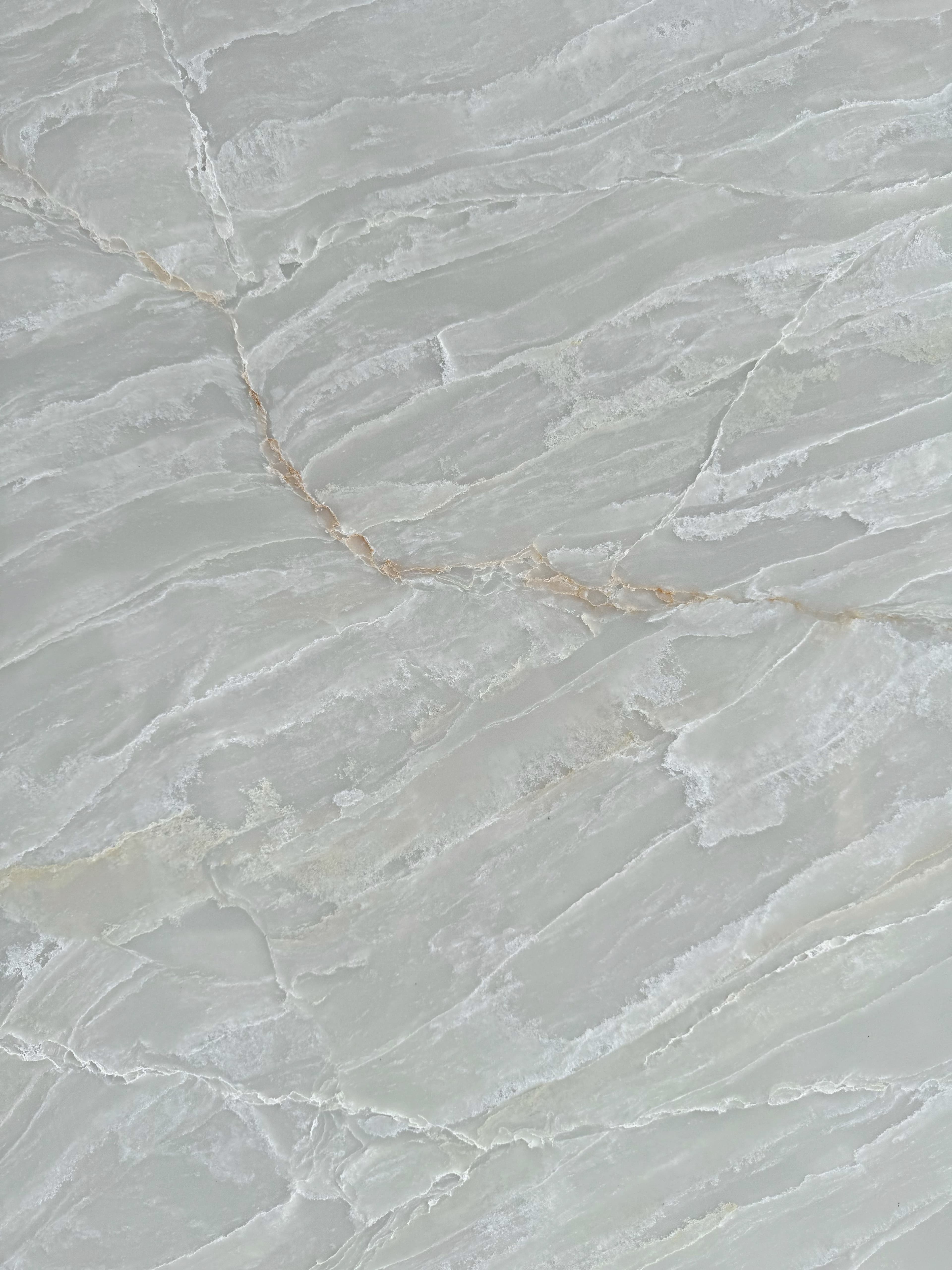
Onyx Gold

Crema Cristal
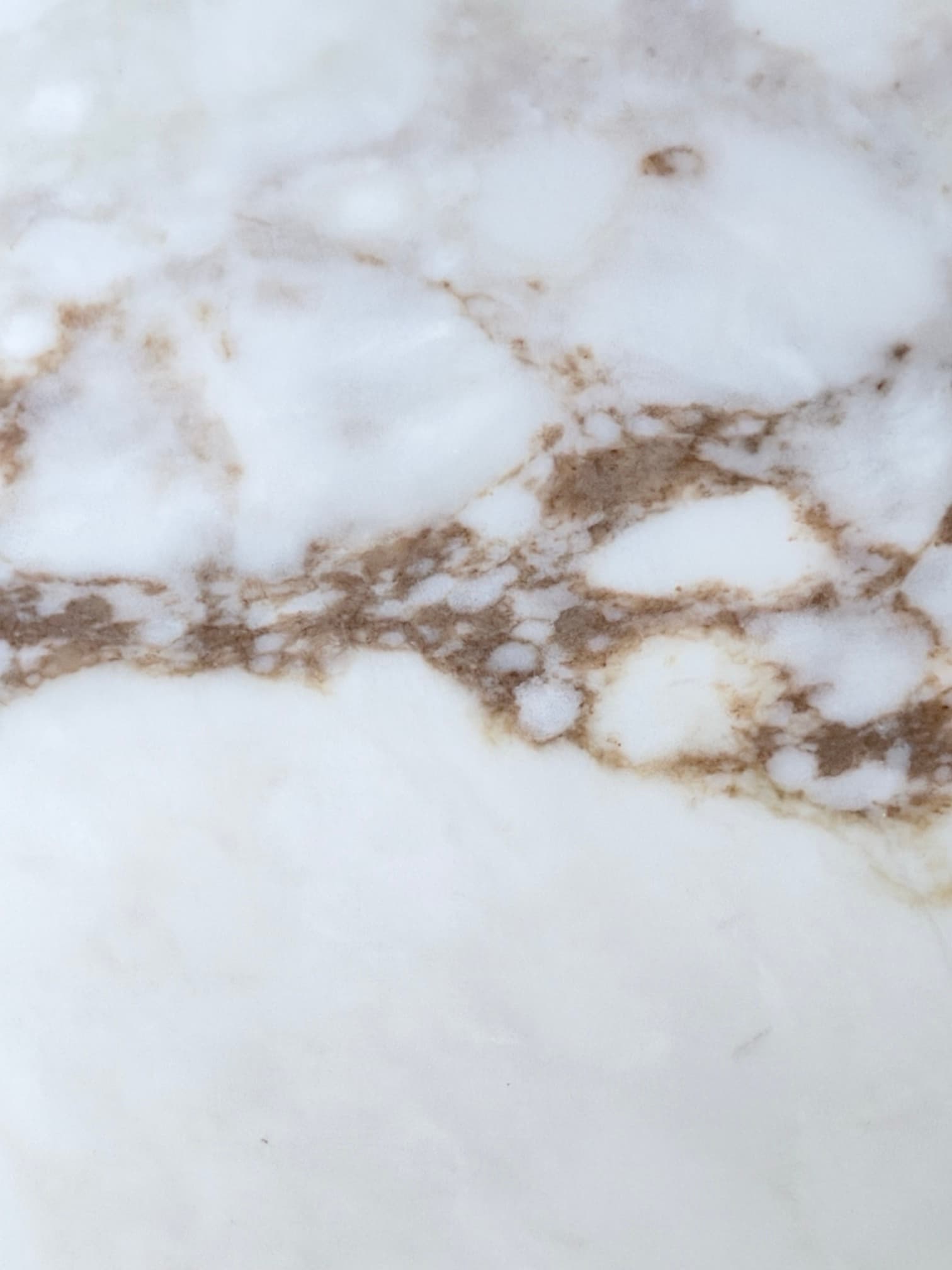
Calacatta Renaissance
Want quartz without crystalline silica?
PHI and Symphony by Aurea Stone look and work like quartz countertops but are made of glass sand, glass powder and resin, with no crystalline silica added. Read the silica-free quartz guide to see what that means and what the SDS says.
Read the silica-free quartz guideFrequently Asked Questions
Quartz countertops: common questions
Is quartz better than granite?
It depends on what you value. Quartz is non-porous, needs no sealing and looks consistent from slab to slab. Granite is natural, unique in every slab and more heat tolerant, but needs periodic sealing.
Do quartz countertops need to be sealed?
No. Engineered quartz is non-porous, so it does not need sealing.
Are quartz countertops safe in my kitchen?
Yes, in normal use. The silica hazard comes from dust created when slabs are cut and polished in a fabrication shop. If an installed countertop is cut, drilled or removed during a remodel, that work should be done with dust controls.
Does quartz contain silica?
Yes. Quartz is crystalline silica, and the CDC notes that engineered stone can contain more than 90% crystalline silica. Engineered stone made without quartz, such as PHI and Symphony by Aurea Stone, has no crystalline silica added.
What size are quartz slabs?
Many are around 126 × 63 inches. Super jumbo slabs such as Quartz Trend are 139 × 79 inches, about 38% more surface per slab, which means fewer seams.
Can you put hot pans on quartz?
Use a trivet. The resin in engineered quartz can scorch or discolor under direct high heat.
What thickness of quartz is best for a kitchen?
3 cm is the most common choice for kitchen countertops. 2 cm is lighter and common for baths, walls and mitered edges.
Where can I buy quartz slabs in Georgia, Alabama or Tennessee?
Urban Stone Source distributes Quartz Trend, PHI and Symphony by Aurea Stone to fabricators and designers across Georgia, Alabama and Tennessee. Visit our showroom in Peachtree Corners, GA, or call (336) 407-9167.
Sources
- CDC, "Severe Silicosis in Engineered Stone Fabrication Workers, MMWR 68(38)" (Sep 27, 2019). www.cdc.gov/mmwr/volumes/68/wr/mm6838a1.htm
- OSHA, "29 CFR 1910.1053, Respirable crystalline silica" (current). www.osha.gov/laws-regs/regulations/standardnumber/1910/1910.1053
- USGS, "Crystalline silica primer" (n.d.). www.usgs.gov/publications/crystalline-silica-primer
Last reviewed November 2026 by Urban Stone Source.
Georgia · Alabama · Tennessee
Quartz slabs for fabricators in GA, AL and TN
Visit our Peachtree Corners showroom or request samples shipped to your shop. Samples are free for fabricators.